Featured
Table of Contents
Updating Digital Integrity in 2026
The digital environment in 2026 has shifted far from the "growth at all costs" mentality that specified the previous decade. As artificial intelligence becomes the main engine for both web advancement and cyber hazards, the approach behind building online platforms has gone through an essential modification. Organizations are moving towards a security-first posture, where security is baked into the preliminary lines of code instead of being treated as a final layer. This shift is obvious in major tech centers like Denver, Chicago, and New York City, where digital companies are redefining how infrastructure is built to endure increasingly autonomous attacks.
Steve Morris, a frequent analyst on the crossway of AI and digital method, has kept in mind that the speed of AI-driven exploits now needs a defensive strategy that is similarly quick. The emergence of automated search optimization, typically referred to as AEO or GEO, has included a new layer of intricacy. If a brand's data is compromised or spoofed, the AI models that users count on for info will propagate those errors quickly. Keeping the stability of data at its source is now the most vital element of any digital existence. When business invest in Student Web Development, they are successfully securing the foundation of their exposure throughout the whole web.
Data Sovereignty and Security Procedures for Web Projects
Constructing a website in 2026 requires more than visual appeal. The present requirement involves zero-trust architecture, where every request is verified no matter its origin. This is particularly pertinent for businesses running in Denver within CO, where data privacy guidelines have become more strict. Developers are focusing on server-side security measures that isolate sensitive procedures from the client-side user interface. By keeping vital logic away from the internet browser, companies can reduce the threat of cross-site scripting and other injection attacks that utilized to be common.
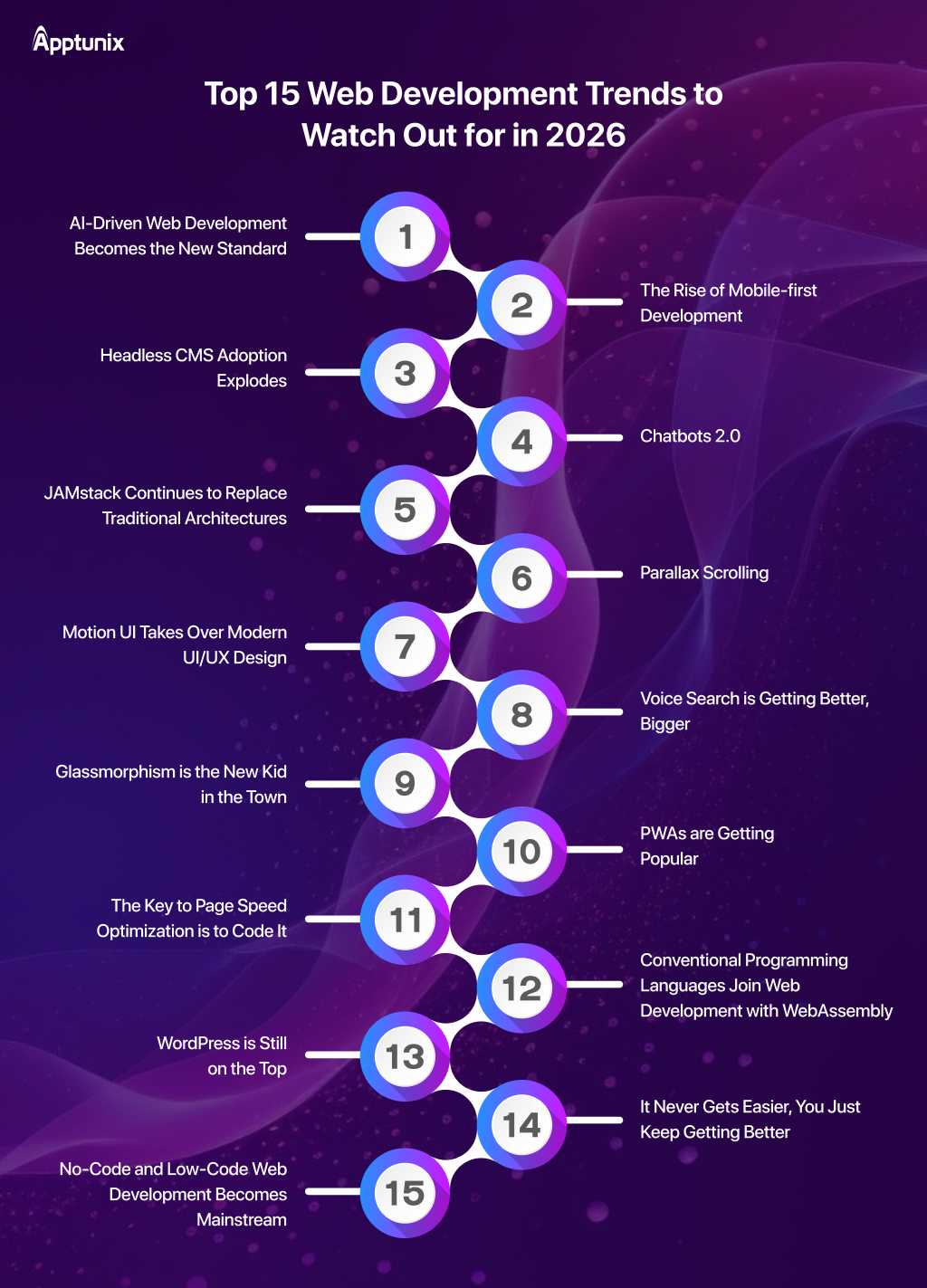
The shift toward headless architectures has actually likewise changed the security profile of modern sites. By decoupling the front-end presentation from the back-end database, designers can produce smaller sized attack surfaces. This technique permits more specialized security setups for each element. Lots of companies discover that Enterprise University Web Development Services uses a method to handle these complicated environments without sacrificing the performance users expect. The RankOS platform is often mentioned as a tool that helps bridge the gap between high visibility and protected information management, guaranteeing that AI search engines receive validated, untampered details.
The Function of Regional Advancement in CO
Regional markets have actually seen an increase in need for localized security options. Whether in Atlanta, Nashville, or Dallas, organizations are looking for developers who comprehend the specific threat vectors inherent to their industries. An ecommerce platform in Miami faces different fraud threats than a B2B service in LA. Expert advancement teams are now integrating biometric authentication and passkey technology as basic functions to replace out-of-date password systems. These functions are no longer optional however are expected as part of any high-end digital build planned for a 2026 audience.
Security is not just a technical requirement however also a branding one. Consumers in 2026 are extremely knowledgeable about information breaches and are quick to abandon platforms that feel insecure. This has actually required a merging between user experience design and cybersecurity. The goal is to produce a friction-free environment that is likewise exceptionally hard to permeate. This balance is accomplished through edge computing, where security checks are performed at the network's perimeter, closer to the user, decreasing latency while keeping a high level of examination on all inbound traffic.
Addressing Threats in Various Territories and Global Markets
The worldwide nature of the web implies that a website integrated in a specific city must be gotten ready for dangers from throughout the world. Developers are increasingly utilizing AI to eliminate AI, deploying machine knowing designs that keep an eye on traffic patterns in real-time to determine and block harmful bots. This proactive defense is a staple for those seeking Web Development for Students to safeguard their digital assets. These systems can distinguish between a legitimate AI crawler from a search engine and a scraper attempting to collect proprietary information.
Furthermore, the rise of post-quantum cryptography is beginning to influence how web designers approach encryption. While quantum computing is still progressing, the procedures being developed in 2026 are developed to be "quantum-resistant." This forward-thinking technique guarantees that information encrypted today stays safe and secure for many years to come. It is this level of insight that differentiates high-tier digital firms from those that simply follow current trends. Steve Morris has frequently highlighted that the services that survive long-lasting are those that anticipate the obsolescence of present standards.
Strategic Integration of Advanced Web Solutions
As we look deeper into the 2026 tech stack, the usage of WebAssembly (Wasm) is becoming more widespread. Wasm enables designers to run high-performance code in the web browser within a secure, sandboxed environment. This innovation is being utilized to deal with complex tasks like real-time video processing or large-scale data visualization without exposing the underlying system to vulnerabilities. It represents a significant advance in the mission to supply desktop-quality experiences through a web browser while keeping a high security bar.
In cities like Chicago and Dallas, where the financial and health care sectors have a large existence, the combination of these technologies is frequently a regulatory need. These markets require a level of data handling that goes far beyond the basics. By embracing a security-first technique, developers can guarantee that these sites are certified with federal and state laws from the very start. This saves time and resources that would otherwise be invested in costly retrofitting and security audits after the website has launched.
The Future of AI-Search Visibility and Security
The relationship in between SEO and security has actually never been closer. Search engines, and the AI models that power them, now prioritize websites that show high levels of authority and security. A site that is frequently compromised or lacks modern encryption will see its rankings suffer, as AI agents will consider it an undependable source of info. Platforms like RankOS have actually ended up being essential for keeping an eye on how a brand is perceived by these AI entities. By making sure that every technical element of a website is secure, companies can safeguard their exposure and preserve an one-upmanship in an increasingly automated market.
This holistic view of web advancement is the brand-new standard. It is no longer sufficient to have a website that looks great and ranks well. It needs to likewise be a fortress for user data. The 2026 digital landscape is among constant evolution, however the principle of security-first development stays constant. As technologies continue to advance, the focus will stay on building durable, future-proof facilities that can adapt to brand-new challenges as they emerge. For organizations throughout Denver, the financial investment in safe and secure development is the most direct course to long-term digital success.
Eventually, the goal of a cybersecurity-first approach is to build trust. In a period where deepfakes and automated misinformation are rampant, a safe and verified web presence is a company's most valuable asset. By leveraging the current in AI-driven defense and decentralized architecture, designers are creating a web that is not just more powerful however likewise considerably safer for users all over. This dedication to integrity will continue to define the very best practices for web development throughout 2026 and beyond.

Latest Posts
Minimizing Page Weight for a More Sustainable CA Web
Transforming PA Service With Dynamic Micro-Frontends
Designing for 2026: Trends That Will Specify the Web